Introduction
Retaining walls are more than just a useful service for managing soil and preventing erosion; they're also an aesthetic improvement to your landscape. Whether you're handling a high slope, creating terraced gardens, or simply looking to enhance the total appearance of your home, employing the http://landeninstallerqzoq281.cavandoragh.org/how-weather-condition-issues-impact-the-work-of-a-retaining-wall-installer right retaining wall professional is important for achieving the wanted result. This guide will walk you through whatever you require to understand about hiring a retaining wall contractor in your area, guaranteeing that you make a notified decision.
What is a Maintaining Wall?
Before diving into the specifics of working with a professional, it's vital to understand what a retaining wall is and its different kinds. A retaining wall is created to keep back soil and avoid erosion while providing structural support. They are available in numerous materials, including:
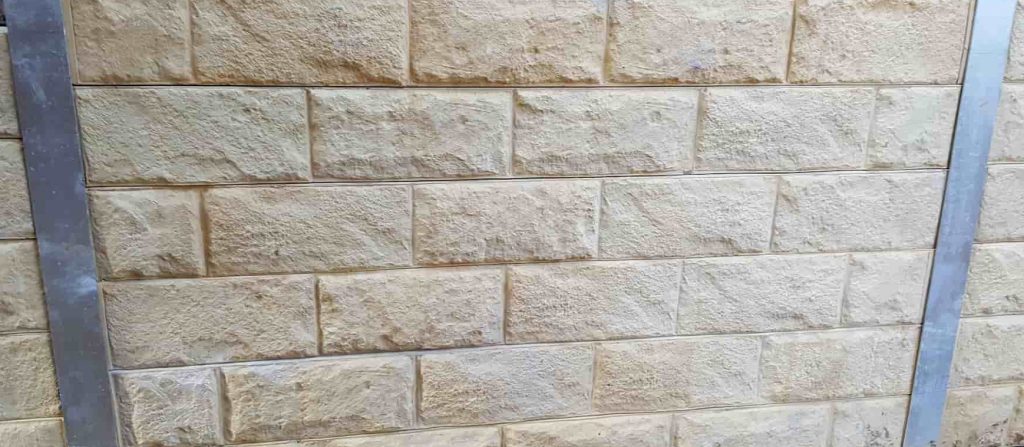
- Timber Sleeper Retaining Walls: Frequently made from treated wood or recycled materials, these walls are popular for their natural appearance and ease of installation. Concrete Sleeper Retaining Walls: Understood for their toughness and strength, concrete sleepers can hold up against significant pressure and last longer than other materials. Brick Retaining Walls: These walls provide a timeless appearance and can be customized to fit different designs. Stone Retaining Walls: A natural option that mixes seamlessly into landscapes, stone walls supply both performance and beauty.
Understanding these options will assist you communicate successfully with your chosen retaining wall contractor.
Why You Required an Expert Retaining Wall Contractor
1. Expertise in Design and Materials
A professional retaining wall contractor has the understanding to advise appropriate products based upon your specific landscape needs. Whether it's choosing in between timber sleeper or concrete sleeper maintaining walls, their proficiency ensures that the structure is not just practical but also visually pleasing.
2. Code Compliance
Building guidelines typically determine how maintaining walls should be constructed. A skilled retaining wall builder comprehends these codes and will guarantee that your task abides by regional regulations.
3. Risk Mitigation
Constructing a retaining wall involves various risks such as soil failure or water drain problems. A competent specialist has experience managing these obstacles effectively.
Your Go-To Guide for Working With a Retaining Wall Specialist Near Me
Finding the ideal contractor may seem complicated, however breaking down the procedure makes it manageable. Here's how you can set about it:
1. Research Local Contractors
Start by searching online for "retaining wall specialist near me." Look for specialists with great reviews and ratings on platforms like Google My Service or Yelp.
2. Ask For Recommendations
Word-of-mouth recommendations from good friends or family can lead you to trustworthy specialists who have formerly delivered excellent work.
3. Check Credentials and Experience
Ensure that the contractors you're considering have appropriate licenses and insurance. Their experience ought to align with the specific kind of retaining wall setup you need-- be it brick, stone, or concrete sleeper.
4. Request Quotes
Obtain comprehensive quotes from several specialists describing labor expenses, material expenses, and task timelines. This contrast will assist you gauge market rates.
5. Review Portfolios
Ask prospective professionals for portfolios showcasing previous tasks comparable to yours. Visual evidence of their work can enhance your self-confidence in their capabilities.
6. Interview Candidates
Don't avoid asking concerns during interviews; ask about their approach to style, product choice, project timelines, and service warranty services provided post-installation.
The Importance of Material Choice in Retaining Wall Construction
Choosing the right products can significantly impact both functionality and aesthetic appeals. Let's delve deeper into some popular options:
Timber Sleeper Retaining Wall: Pros and Cons
- Pros: Environment-friendly option; simple to set up; cost-effective. Cons: Susceptible to rot; needs regular maintenance.
Concrete Sleeper Retaining Wall: Pros and Cons
- Pros: Long-lasting; resistant to weather; minimal upkeep required. Cons: Greater preliminary expenses compared to lumber options.
Brick Retaining Wall: Pros and Cons
- Pros: Ageless appeal; long lasting; customizable. Cons: Labor-intensive installation; potential higher costs depending upon design complexities.
Stone Retaining Wall: Pros and Cons
- Pros: Natural beauty; strong structural integrity. Cons: High cost; requires proficient labor for installation.
Understanding these benefits and drawbacks allows homeowners to collaborate efficiently with their picked retaining wall installer Melbourne when making choices relating to construction materials.
How Much Does It Cost to Hire a Retaining Wall Contractor?
The cost of hiring a retaining wall professional varies commonly based upon a number of elements:
Type of Product Utilized: As seen above, timber might be less costly initially compared to stone.
Wall Size: Bigger walls need more products and labor time.
Site Preparation Needs: If comprehensive grading or earth-moving is essential before setup starts, this will increase overall costs.
Labor Charges: Rates might vary based upon place (for instance, retaining wall installation Melbourne might differ in rates compared to backwoods).
On average, house owners might spend between $15-- $50 per square foot for product expenses alone, plus additional labor charges ranging from $40-- $100 per hour depending on complexity levels involved in your task scope.
FAQs About Hiring a Retaining Wall Professional Near Me
Q1: How do I discover respectable retaining wall builders near me?
A1: Start by searching online reviews and asking buddies or household for suggestions while checking credentials thoroughly before making any decisions.
Q2: What permits do I need for my retaining wall project?
A2: Permits differ by place but normally include zoning clearance if over 4 feet high; seek advice from regional city policies prior beginning building and construction work!
Q3: Can I set up a retaining wall myself?
A3: While do it yourself setups are possible depending on complexity level & & material option (e.g., lumber), expert support ensures safety & & code compliance particularly if handling larger structures!
Q4: How long does it require to complete a common installation?
A4: The timeline varies based upon size & & complexity but generally varies in between 1-3 days when excavation preparations are done adequately!
Q5: What upkeep is required after installation?
A5: Regular inspections need to happen each year inspecting drain systems & & repairing any damage immediately extending lifespan significantly!
Q6: Will my home value increase after installing a brand-new retention system?
Conclusion
In conclusion, employing the ideal retaining wall specialist near you is essential when thinking about setting up any kind of retention system at home! By understanding types offered (wood vs concrete sleeper vs brick), evaluating qualifications appropriately through research approaches described previously in this guide-- you'll be geared up with whatever required before taking that plunge towards changing landscaping efforts into truth! Don't forget-- this investment not only secures versus disintegration however enhances visual appeal too-- making all those hours spent outside much more pleasurable understanding that effort paid off enormously!
So keep in mind-- take your time throughout selection procedures while keeping sight focused firmly ahead towards developing something extraordinary together with specialists who share same vision! Happy building!